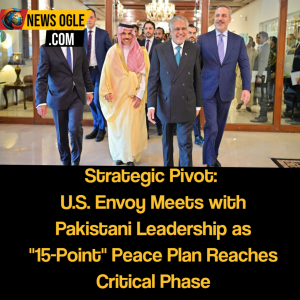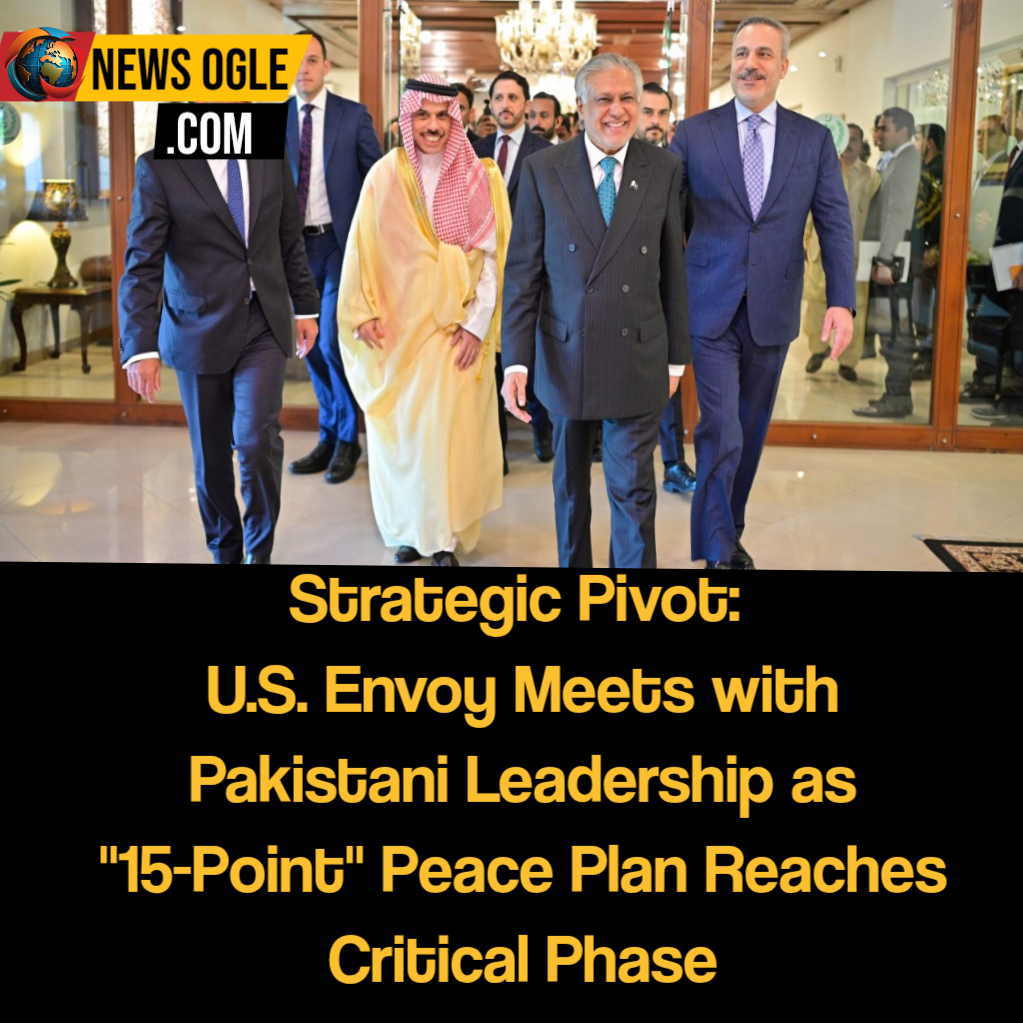
ISLAMABAD — High-stakes diplomacy moved to the Pakistani capital on Wednesday as a senior U.S. delegation met with Pakistan’s top civil and military leadership. The consultations centered on the “15-Point Framework for Regional Stability,” a strategic peace proposal aimed at de-escalating the month-long conflict between the United States, Israel, and Iran.
The meeting follows President Trump’s recent declaration that regional allies must take greater responsibility for their own maritime security, placing Pakistan—a key mediator with deep ties to both Washington and Tehran—at the epicenter of the world’s most urgent diplomatic effort.
Pakistan’s Role as the “Reliable Messenger”
According to sources within the Ministry of Foreign Affairs (MoFA), the U.S. envoy expressed “deep appreciation” for Pakistan’s role in facilitating indirect communication with Iranian officials.
- The Shuttle Diplomacy: Pakistani officials have been working around the clock, relaying sensitive clarifications regarding the “April 6 Deadline” set by the White House for a permanent cessation of hostilities.
- The 15-Point Proposal: While the full text remains classified, insiders suggest the plan offers Iran a “phased lifting of sanctions” in exchange for verifiable disengagement from regional proxy conflicts and a total freeze on long-range missile testing.
Security Concerns: The Shadow of the Tanker War
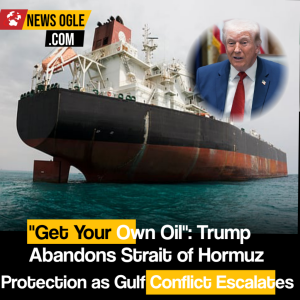
The discussions in Islamabad were underscored by the deteriorating security situation in the Persian Gulf. Following the recent strike on a Kuwaiti oil tanker near Dubai, the U.S. mission emphasized the need for regional powers to secure the Strait of Hormuz.
- Maritime Cooperation: There are reports that the U.S. is encouraging a “Regional Maritime Protection Force,” where countries like Pakistan, Saudi Arabia, and the UAE would play a leading role in escorting commercial vessels.
- Economic Stakes: For Pakistan, the stability of the Gulf is vital. Any prolonged disruption to oil flows would cripple the domestic economy and delay critical energy-dependent projects under CPEC 2.0.
Humanitarian and Expatriate Safety
A significant portion of the meeting was dedicated to the safety of the millions of Pakistani expatriates living in the Gulf.
- The UAE Debris Incident: The U.S. delegation expressed condolences over the tragic deaths of four Pakistani nationals killed by falling interceptor debris in Abu Dhabi earlier this week.
- Evacuation Contingencies: While both sides expressed hope for a diplomatic breakthrough, they reportedly discussed contingency plans for the protection and potential evacuation of non-combatants should the April 6 deadline pass without an agreement.
Market Reaction: Anticipation Grows
Global markets are watching Islamabad closely. Financial analysts suggest that if Pakistan can secure a “preliminary nod” from Tehran on the 15-point plan, oil prices could see a significant “peace discount” by the end of the week. Currently, Brent crude remains volatile, hovering near $85 per barrel as traders weigh the President’s rhetoric against the reality of ongoing diplomatic talks.
Conclusion: The 96-Hour Countdown
With less than 100 hours remaining before the U.S.-imposed deadline of April 6, the meetings in Islamabad represent one of the final “off-ramps” to avoid a total regional conflagration. The world is looking to Pakistan to bridge the gap between the Trump administration’s “America First” realism and Iran’s demand for sovereign guarantees.
Status Report: The Diplomatic Chessboard (April 1, 2026)
| Entity | Current Stance |
| United States | Demanding 15-point compliance by April 6; pausing strikes until then. |
| Pakistan | Acting as lead mediator; focusing on expatriate safety and regional trade. |
| Iran | Reviewing the 15-point framework; demanding “meaningful” sanctions relief first. |
| Regional Impact | High alert in UAE and Israel; thousands of casualties reported in Lebanon/Iran. |

Aleda Kawis is the Professional Journalist and serving in the field since 2012. She keeps extensive experience as investigating journalist and media influencer.