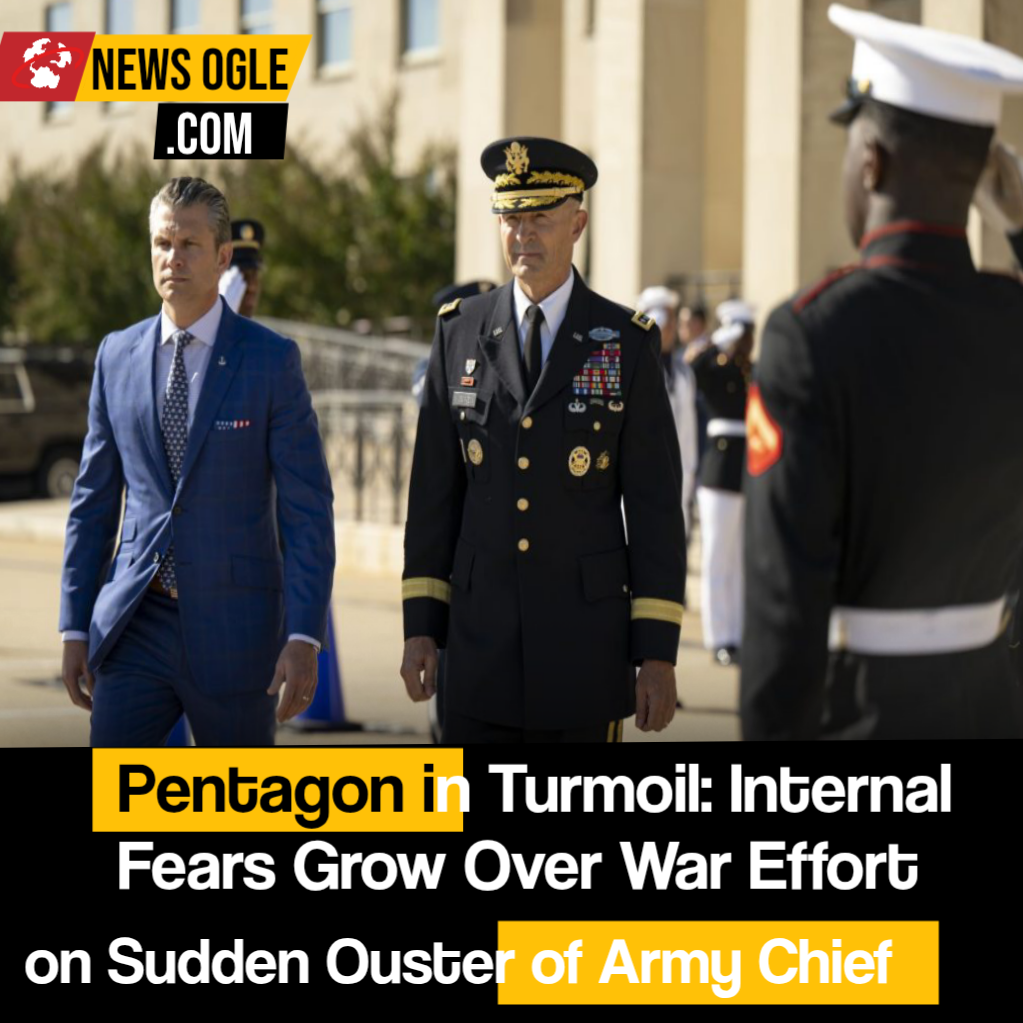
WASHINGTON D.C. — A wave of uncertainty has gripped the Pentagon following the abrupt removal of the U.S. Army’s top commander, a move that comes at the most precarious moment for American military strategy in decades. According to a deep-dive report by the LA Times, senior defense officials are expressing grave concerns that this leadership vacuum could destabilize ongoing war efforts in the Middle East and beyond.
The ouster, which occurred just hours before the critical April 6 diplomatic deadline, has left the nation’s military hierarchy “shaken and searching for direction” as the United States navigates a dual-front crisis involving maritime security in the Gulf and direct aerial confrontations.
A Leadership Void in the Heat of Conflict
The LA Times report highlights a growing consensus among military analysts that the timing of the dismissal could not be worse.
- Operational Continuity: With the U.S. military currently engaged in high-stakes interceptions over the Strait of Hormuz and responding to the downing of high-tech assets like the F-35, the lack of a permanent Army Chief threatens the “seamless execution” of combat orders.
- The “Grand Bargain” Tension: The Pentagon is reportedly divided over the 15-point peace plan being mediated in Islamabad. While some leaders favor the diplomatic off-ramp, others fear that a change in leadership signals a pivot toward a much more aggressive, uninhibited military posture.
Internal Resistance and Strategic Friction
Sources within the Department of Defense suggest that the ouster was the result of a “fundamental disagreement” regarding the deployment of ground forces.
- The Policy Clash: The outgoing Chief reportedly expressed reservations about the “America First” withdrawal of maritime security for allies, arguing that abandoning the Strait of Hormuz would lead to the very “tanker war” currently unfolding near Dubai.
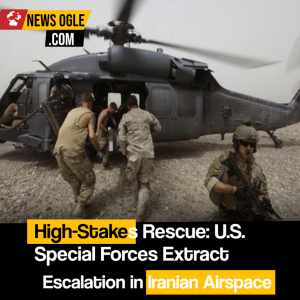
- Morale Concerns: Commanders on the ground in the Middle East have voiced fears that political turbulence in Washington is filtering down to the front lines, potentially compromising the safety of personnel engaged in sensitive rescue and reconnaissance missions.
The “April 6” Factor
As the 24-hour countdown to the White House-imposed deadline begins, the administrative shake-up has added a layer of volatility to an already explosive situation.
- The Power Vacuum: Without a confirmed successor, acting officials are reportedly hesitant to authorize long-term strategic shifts, leaving the U.S. response to potential Iranian non-compliance in a state of flux.
- Global Perception: Allies in the UK and UAE are watching the internal friction with alarm, fearing that a disorganized Pentagon may be unable to fulfill its remaining security guarantees if the peace framework collapses tomorrow.
Market and Diplomatic Fallout
The news of the Pentagon’s internal strife has added to the global sense of dread.
- Market Volatility: Defense contractor stocks saw a sharp dip following the report, reflecting investor anxiety over the stability of the U.S. military-industrial chain.
- Diplomatic Leverage: Negotiators in Pakistan warn that any sign of “disunity” within the U.S. military command could embolden hardliners in Tehran to reject the 15-point plan, believing that Washington is too distracted by internal politics to follow through on its “total consequences” threat.
Conclusion: A Military at a Crossroads
The LA Times investigation paints a portrait of a military establishment facing an identity crisis. Between the President’s demands for total loyalty and the professional military’s adherence to traditional alliances, the ouster of the Army Chief represents a tipping point. As the sun sets on April 5, the Pentagon remains a “house divided” on the eve of what could be the most significant military engagement of the 21st century.
Pentagon Briefing: Current Instability Index (April 5, 2026)
| Category | Status |
| Command Structure | Acting leadership in place; permanent Chief ousted. |
| Operational Impact | Fears of “lag time” in combat decision-making. |
| Diplomatic Alignment | Increasing friction between White House and Pentagon brass. |
| Regional Readiness | Forces remain on “High Alert” despite administrative turmoil. |
Would you like me to analyze the potential candidates for the next Army Chief of Staff, or should I provide a report on how this leadership change might affect U.S. ground troop deployments in the Gulf?

Aleda Kawis is the Professional Journalist and serving in the field since 2012. She keeps extensive experience as investigating journalist and media influencer.