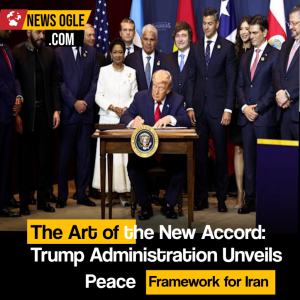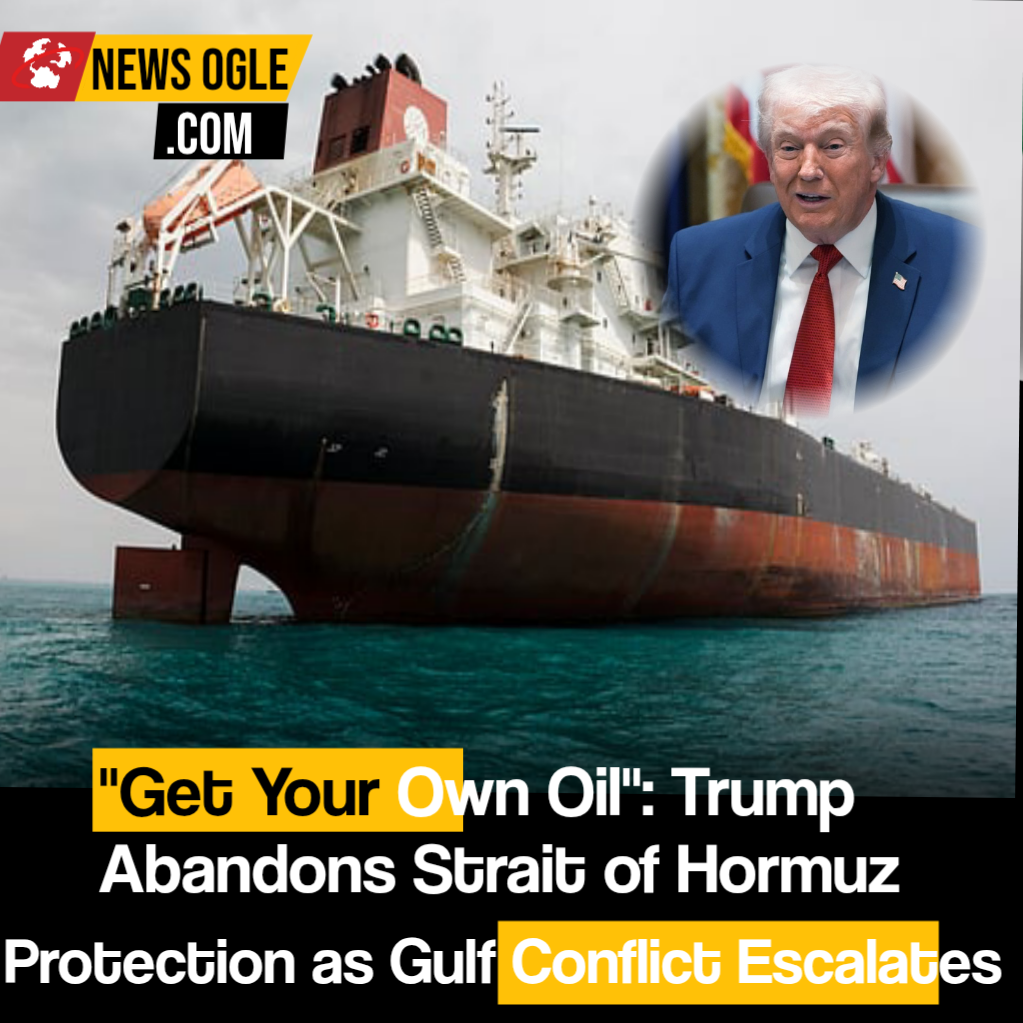
WASHINGTON D.C. / DUBAI — The geopolitical architecture of the Middle East was pushed to the brink of collapse on Tuesday after U.S. President Donald Trump issued a blistering ultimatum to historic allies, declaring that the United States will no longer provide a security umbrella for international oil shipments in the Strait of Hormuz.
In a move that has sent global energy markets into a tailspin, the President signaled a definitive end to decades of American maritime doctrine, telling the United Kingdom and other Western powers to “fight for yourselves.”
The “Truth” Social Ultimatum
The President’s directive came via a characteristically blunt post on his Truth Social platform, where he lashed out at what he perceives as a lack of reciprocity from traditional allies.
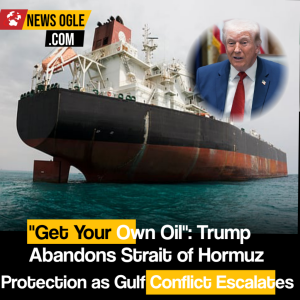
“You’ll have to start learning how to fight for yourself, the USA won’t be there to help you anymore, just like you weren’t there for us. Go get your own oil,” the President wrote.
The statement marks a total departure from the Carter Doctrine, which for nearly 50 years held that the U.S. would use military force to defend its national interests in the Persian Gulf. By effectively withdrawing the U.S. Navy’s protective “shield,” Trump has left the world’s most vital energy artery—through which 20% of global oil flows—vulnerable to escalating regional hostilities.
Chaos at Sea: Kuwaiti Tanker Struck Near Dubai
The consequences of this vacuum were felt almost immediately. A Kuwaiti oil tanker, laden with millions of barrels of crude oil, was struck while navigating the waters near Dubai.
- The Incident: Officials have blamed Iran for the strike, which ignited a massive blaze on the vessel.
- Casualties: Miraculously, all 24 crew members aboard are reported safe, and emergency teams have brought the fire under control.
- The Damage: BBC Verify is currently examining satellite imagery and drone footage to assess the structural integrity of the tanker and the extent of the environmental impact on the Emirati coastline.
The “Decisive” Days Ahead
Despite the escalating risks, U.S. Defense Secretary Pete Hegseth stated that the “upcoming days will be decisive.” Hegseth claimed that more vessels are currently attempting to transit the Strait of Hormuz despite the lack of U.S. escort. BBC Verify is currently cross-referencing maritime tracking data to assess the validity of this claim, as many shipping giants have reportedly ordered their fleets to anchor or divert.
Regional Bloodshed: 35 Days of War
The maritime crisis is unfolding against a backdrop of devastating regional warfare. Now in its fifth week, the conflict has reached a grim milestone:
- Death Toll: Thousands of people have been killed, with the vast majority of casualties reported in Iran and Lebanon following sustained aerial campaigns.
- Daily Strikes: Fresh interceptions and strikes were reported across Israel, Iran, and the UAE today.
- Dubai Injuries: In Dubai, multiple people were injured by falling debris following the interception of projectiles over the city’s skyline, highlighting the increasing risk to civilian populations in the Gulf’s financial hubs.
Market Reaction: A Global Energy Shock
Economists warn that Trump’s “America First” withdrawal from Gulf security could trigger a historic global recession.
- Oil Prices: Brent crude surged following the President’s post, with analysts predicting triple-digit prices if a “tanker war” ensues without U.S. intervention.
- Insurance Rates: Marine insurance premiums for the Persian Gulf have skyrocketed, making it nearly impossible for smaller nations to afford the cost of transporting energy.
- The UK Crisis: In London, the government is reportedly holding emergency meetings to discuss the security of British-flagged vessels, as the President’s “go get your own oil” comment leaves the Royal Navy with a monumental task and limited regional assets.
Conclusion: A World Without the Shield
As the conflict enters its second month, the world is facing a new and terrifying reality. The U.S. withdrawal from the Strait of Hormuz represents a fundamental shift in the global order. For the UK, the EU, and Asian economies like Japan and South Korea, the message from Washington is clear: the era of “free” security is over, and the era of self-reliance—and the violence that comes with it—has begun.
Summary of Current Status (March 31, 2026)
| Category | Status |
| U.S. Policy | Total withdrawal from securing non-U.S. oil shipments. |
| Maritime Strike | Kuwaiti tanker hit near Dubai; Iran blamed. |
| Casualties | Thousands killed in 5 weeks (mostly Iran/Lebanon). |
| Civilian Impact | Injuries in Dubai from debris; regional airports on alert. |
| Defense Stance | Sec. Hegseth calls next few days “decisive.” |

Aleda Kawis is the Professional Journalist and serving in the field since 2012. She keeps extensive experience as investigating journalist and media influencer.